
Is Phu Quoc Worth Visiting? Honest Guide for First-Timers (2026)
Phu Quoc is Vietnam's largest island and one of Southeast Asia's fastest-growing beach destinations. But is it right for your trip? This honest guide covers what makes Phu Quoc worth visiting, what to expect, and who might prefer somewhere else.
Short verdict
Yes, Phu Quoc is worth visiting if you want a warm, easy island holiday with sunset beaches, seafood, resort comfort, and a slower pace. It is one of Southeast Asia's better value destinations for that kind of trip — especially for families, couples, and travelers adding a beach break to a Vietnam itinerary.
But it is not perfect. If your dream trip depends on untouched beaches everywhere, crystal-clear Maldives water, non-stop nightlife, or deep cultural immersion, Phu Quoc may fall short of those expectations. Knowing what the island actually offers — and what it does not — is the difference between a great trip and a disappointing one.
Why people like Phu Quoc
Sunset-facing beaches
The entire west coast of Phu Quoc faces directly into the sunset. This is not a marketing line — it is geography. If you stay on Bai Truong (Long Beach) or Ong Lang, every clear evening gives you a sunset over open ocean without needing to chase a specific viewpoint. Few islands in Southeast Asia offer this as consistently.
Good value for resort quality
You can stay in a private pool villa at a 5-star resort for significantly less than what similar accommodation costs in Bali, Phuket, or the Maldives. A private pool villa that runs $400-700/night in Bali can often be found for $150-300/night in Phu Quoc. For families who need space, this price difference changes what kind of holiday is actually affordable.
Family-friendly infrastructure
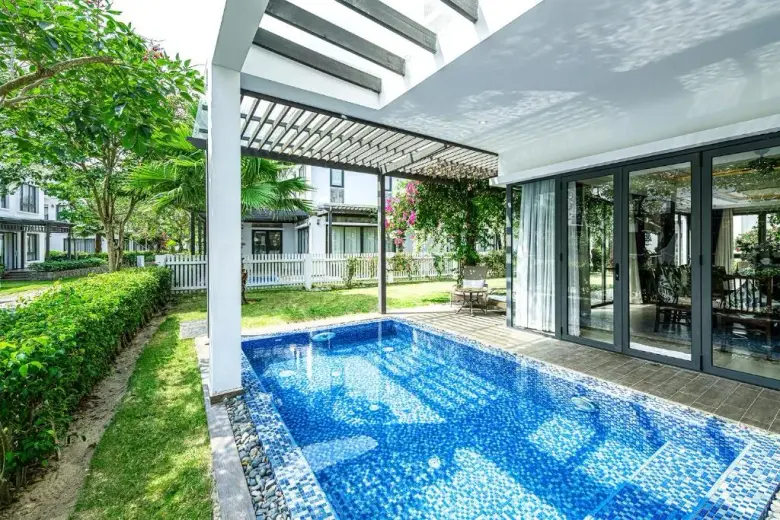
The island has water parks, resort kids clubs, private pool villas (safe for toddlers), short airport transfers, and multiple dining options that work for families. If you are traveling with young children who need routine, convenience, and safe swimming, Phu Quoc has better logistics than many alternatives.
Easy to reach
Direct flights connect Phu Quoc to Ho Chi Minh City (1 hour), Seoul (5 hours), Singapore (2.5 hours), and Bangkok (2 hours). The airport is small and uncongested, and resort transfers on the west coast take 5-15 minutes. You do not lose a day arriving.
Visa-free entry
If Phu Quoc is your only destination in Vietnam, many nationalities can visit for up to 30 days without a visa. This makes it convenient for a dedicated island trip without paperwork.
Seafood and local food
The night market in Duong Dong is genuinely good. Grilled seafood, Vietnamese street food, and fresh fruit are affordable and abundant. For travelers who care about food, this is one of Phu Quoc's underrated strengths compared to more resort-isolated island destinations.
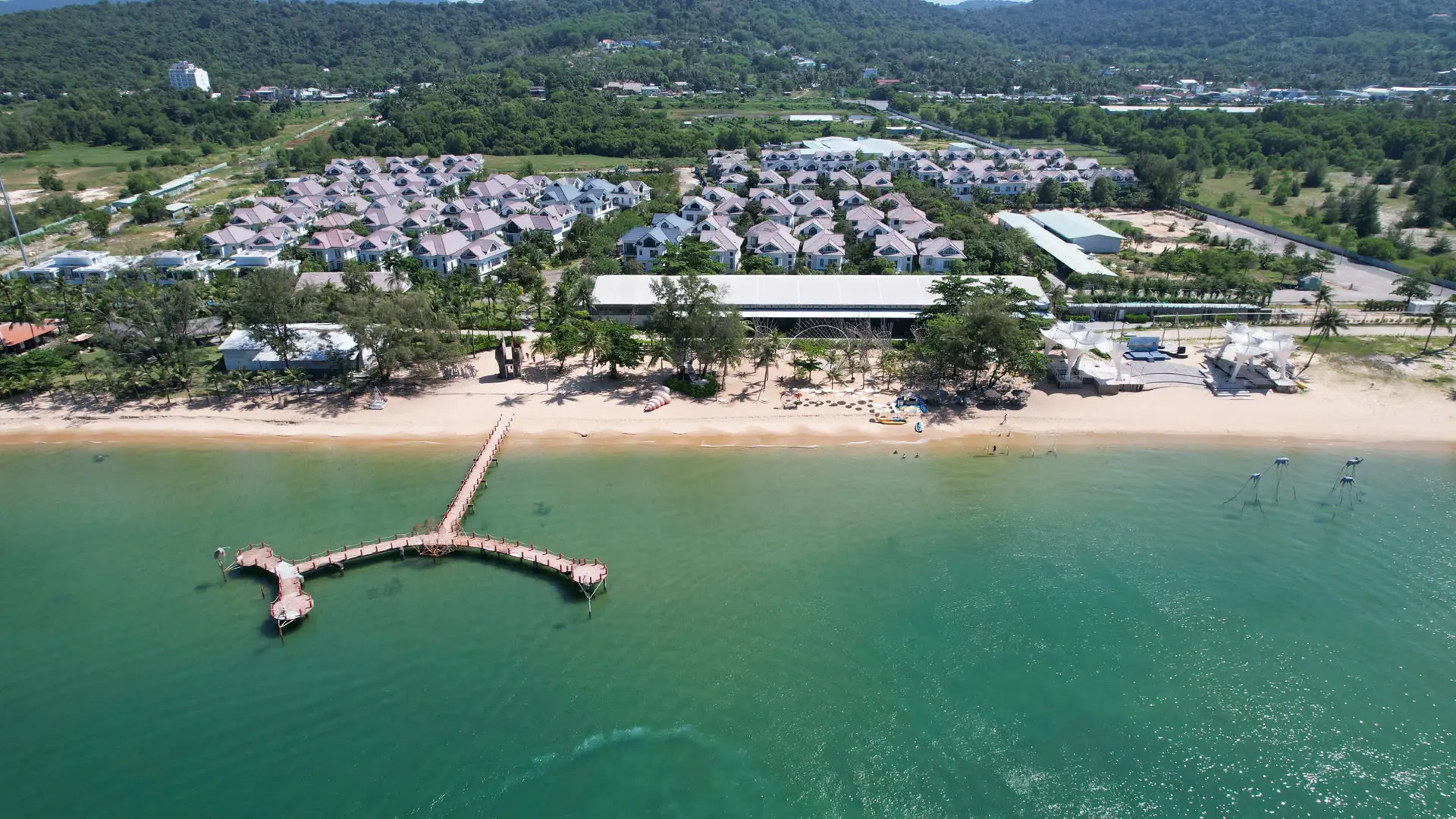
For travelers who care about sunset, staying on the west coast matters. Sunset Sanato is one example of a resort built around that evening rhythm — villa privacy during the day, then beachfront sunset, Beach Club atmosphere, and dining by evening.
What travelers may not like
This section matters. If you search online for honest Phu Quoc reviews, the same concerns come up repeatedly. Here is what you should know before booking.
The island is more developed than you might expect
Phu Quoc is not a hidden gem anymore. Rapid development over the past decade has brought large resort compounds, theme parks, and construction in some areas. If you expect a quiet, untouched island with empty beaches and fishing villages, the reality — especially on the west coast — may surprise you.
Not all beaches are equally beautiful
Sao Beach (Bai Sao) on the east coast has white sand and turquoise water that looks stunning in photos. But it is 25-30 km from most resorts, faces east (no sunset), and can be crowded during peak season. The west coast beaches are better for resort stays but the water is not as postcard-clear as the Maldives or Palawan.
Rainy season is real
From May to October, afternoon rain is common and sometimes heavy. Outdoor plans may be disrupted. The dry season (November to April) is significantly better for beach holidays. If you must visit during rainy season, choose a resort with covered dining, indoor activities, and a water park so that rainy afternoons do not ruin the day.
Nightlife is quiet
Phu Quoc has beach bars and evening restaurants, but nothing resembling the nightlife of Bali, Phuket, or Bangkok. If you need clubs, live music scenes, or late-night bar hopping, this island will feel too quiet.
Getting around takes time
Attractions are spread across the island. VinWonders and the Safari are in the north. The cable car is in the south. The night market is central. Without a scooter or pre-arranged transport, you will rely on taxis, and distances can add up quickly.
Who should visit Phu Quoc?
- Families who want private pool villas, water parks, and short airport transfers
- Couples looking for sunset beach dinners and affordable luxury
- Wedding groups who need a beachfront venue with guest accommodation
- Travelers from Korea, India, Singapore, or Australia seeking a 3-5 day beach break
- First-time Vietnam visitors adding a beach extension after Ho Chi Minh City or Hanoi
- Anyone who prioritizes resort comfort, value, and sunset over cultural depth
Who should probably choose somewhere else?
- Travelers wanting remote, untouched island life — look at Koh Lipe, Con Dao, or the Perhentians
- Nightlife seekers — Bali's Seminyak or Phuket's Patong are better choices
- Divers expecting world-class coral — the Maldives, Komodo, or Palawan are stronger
- Culture seekers — visit Hoi An, Hanoi, Luang Prabang, or Ubud instead
- Travelers who dislike resort development or construction in progress
When is the best time to visit?
Dry season (November to April) is the easiest period. Sunny skies, calm seas, warm evenings. This is when Phu Quoc looks and feels like the photos that made you consider visiting.
Rainy season (May to October) still works if you are flexible. Resorts are cheaper, the island is less crowded, and mornings are often clear. But afternoon rain showers can be heavy, and some outdoor activities or boat trips may be cancelled.
Shoulder months (late October, early November, late April) can offer a good balance of price and weather — fewer crowds, lower rates, and mostly dry days.
How many days are enough?
- 2 nights: Quick taste — you will see the sunset and the resort, but not much else.
- 3 nights: Good first trip. Beach, sunset, one attraction, and a relaxed pace.
- 4-5 nights: Better for families or travelers mixing VinWonders, island hopping, beach time, and spa.
- 6+ nights: Comfortable for slow travel. If your resort has a water park, spa, and multiple restaurants, you may not need to leave the property every day.
Is Phu Quoc safe?
Yes. Phu Quoc is generally safe for tourists, including families with children and solo travelers. Resort areas are well-maintained with security staff. The night market and Duong Dong town are busy but not dangerous.
Standard travel awareness applies: use hotel safes for valuables, arrange reliable transport (especially at night), wear a helmet if renting a scooter, and keep an eye on weather reports during rainy season. Serious crime targeting tourists is uncommon.
Final verdict
Phu Quoc is worth visiting if you choose the right area, set the right expectations, and visit during the right season. It is not a perfect island — but it is one of Vietnam's easiest and best-value beach destinations for travelers who want sunset, resort comfort, seafood, and a slower holiday rhythm.
If that sounds like your kind of trip, you will probably enjoy it. If it does not, consider how Phu Quoc compares to Bali and Phuket before deciding.
Explore Phu Quoc from the right base
Sunset Sanato Resort & Villas is on the west coast of Bai Truong — the widest sunset beach, closest to the airport, with 110 private pool villas and on-site water park.